What to pack in your hospital bag: the hygiene edition
When preparing for your stay at the hospital, it is easy to get caught up in packing cute newborn outfits and cameras. However, the items you pack for your own postpartum hygiene will have the biggest impact on your comfort during the first forty-eight hours. After delivery, your body begins a rapid recovery process, and having a well-organized selection of maternity pads and cleansing tools is essential.
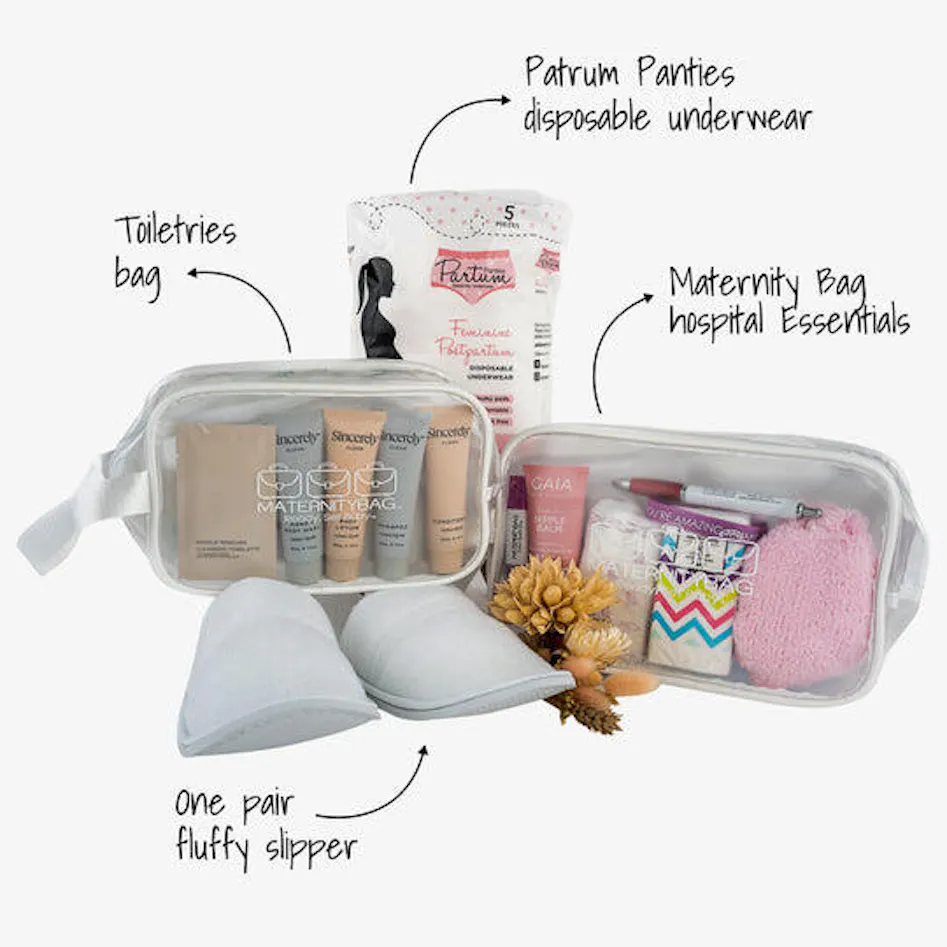
In this guide, we will focus on the hygiene essentials you need to pack. We will discuss why maximum absorbency is a priority and how to organize your bag so that everything is within reach when you need it most during your postnatal healing.
The core essential: high-capacity maternity pads
The most important item for your hospital bag is a generous supply of maternity pads. In the immediate hours after birth, your flow will be at its heaviest. This is not the time for standard period products; you need professional-grade protection.
Why you need maximum absorbency for the hospital
During the first two days, you will experience Lochia Rubra, which can include sudden gushes of fluid. Maximum absorbency maternity pads are designed with a thick, high-density core that can handle this volume without leaking. We recommend packing at least two full packs of these heavy-duty pads. This ensures you can change your maternity pad every two hours, which is the gold standard for maintaining cleanliness and preventing postpartum infections.
Extra length for hospital bed rest
You will likely spend a lot of time lying in a hospital bed during your initial recovery. Standard pads are often too short for horizontal rest. Look for extra-long maternity pads with a flared back. This specific design ensures that your hospital gown and bedding stay clean, allowing you to focus on your baby rather than worrying about a mess.
Specialized tools for cleansing
Because the perineal area is extremely sensitive after birth, traditional wiping is often impossible. You need tools that allow for gentle but effective cleaning.
The peri bottle: a hospital must-have
While some hospitals provide a basic peri bottle, many mothers prefer to pack their own with an angled nozzle. This tool allows you to rinse the area with warm water after every bathroom visit. It is much gentler on postpartum stitches and bruised tissue than toilet paper. Using a peri bottle before applying a fresh maternity pad ensures that you feel as fresh as possible.
Alcohol-free soothing wipes
Sometimes you need a little extra cleaning power. Packing a small pack of fragrance-free and alcohol-free wipes can be very helpful. These can be used to clean the skin around the pad area to prevent chafing and skin irritation. Always ensure these are strictly hypoallergenic to avoid any burning sensation on sensitive tissues.
Comfort and support items
What you wear with your maternity pads will determine how well they stay in place. Hospital stays involve a lot of shifting in bed, so stability is key.
Disposable mesh underwear
Many mothers swear by the disposable mesh underwear provided by hospitals, but it is a good idea to pack a few pairs of your own high-quality versions. They are incredibly stretchy and designed to hold a bulky maternity pad securely without putting pressure on a C-section incision. Because they are disposable, you don't have to worry about laundry during your first few days of motherhood.
Breathable cotton briefs
If you prefer the feel of your own clothes, pack several pairs of "extra-large" cotton underwear. Cotton is a breathable material that works well with breathable maternity pads to allow air circulation. This helps keep the area dry and promotes faster healing of any tears or incisions.
Organizing your hygiene kit for easy access
When you are in the hospital, you may be tired or have limited mobility. Having your supplies organized makes every bathroom trip much easier.
The "Bathroom Caddy" approach: Pack your maternity pads, peri bottle, and wipes in a small, waterproof bag. You can keep this bag right next to the toilet in your hospital room so you don't have to search through your main suitcase.
Layered packing: Place your maximum absorbency pads at the very top of your bag. You will need these immediately after delivery, so they should be the easiest items to find.
The "Go-Home" hygiene set: Keep one small pack of thinner postpartum pads at the bottom of your bag for the car ride home, when your flow might have slowed down just enough for a slightly less bulky option.
Final thoughts on hospital preparation
Packing your hospital bag is a symbolic step in your journey to meeting your baby. By prioritizing your postpartum hygiene and choosing high-quality maternity pads, you are setting yourself up for a much more comfortable and dignified recovery.
Remember that your physical needs are just as important as the baby's. Staying dry, clean, and well-protected with the right maternity pads will give you the confidence to focus on those first precious moments of bonding. Pack plenty of supplies, choose breathable materials, and prepare for a healthy and supported transition into life with your newborn.