Best practices for using maternity pads after a C-section
Recovering from a cesarean delivery, or C-section, presents a unique set of challenges. While the focus is often on the abdominal incision, it is a common misconception that you will not need postpartum hygiene products. Even though the baby was not delivered through the birth canal, your body still needs to shed the uterine lining, meaning you will experience lochia just like any other new mother. Managing this flow while protecting a surgical wound requires a specific strategy and the right maternity pads.
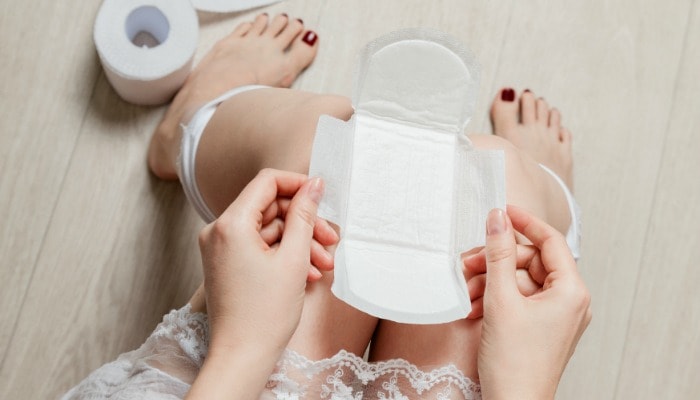
In this guide, we will discuss the best practices for using maternity pads after a C-section. We will explore how to stay comfortable, how to protect your incision from irritation, and why absorbency and breathability remain top priorities for your postnatal healing.
Understanding lochia after a surgical birth
Many mothers are surprised by the amount of bleeding they experience after a C-section. Because the surgeon cleans out a portion of the uterine tissue during the procedure, the initial flow may be slightly lighter than a vaginal birth, but it is still a significant physical process.
The need for high-quality maternity pads
You will still move through the stages of Lochia Rubra, Serosa, and Alba over the course of six weeks. For the first few days, you will need maximum absorbency maternity pads to handle the heavy discharge. It is important not to use tampons, as the cervix remains slightly dilated and your body is at a higher risk for postpartum infection. A reliable maternity pad is the safest and most effective way to manage your flow while your internal tissues heal.
Managing flow without abdominal pressure
After a C-section, moving around can be painful. You want a maternity pad that is highly efficient so that you do not have to change it more often than necessary, reducing the number of times you have to get up and put pressure on your abdominal muscles. A pad with a high-density core locks fluid away quickly, keeping you dry and comfortable for longer periods.
Protecting your incision from irritation
The most critical part of C-section recovery is ensuring that nothing rubs against or irritates your surgical staples or stitches. Your choice of postpartum pads and how you wear them plays a major role in this.
Choosing the right underwear and pad combo
Regular underwear often has an elastic waistband that sits exactly where a C-section incision is located. To avoid pain and skin irritation, it is best to pair your maternity pads with very high-waisted cotton briefs or specialized disposable postpartum underwear. These garments sit well above the belly button, ensuring that the maternity pad is held securely in place without any part of the clothing touching the wound.
The benefit of soft, flexible maternity pads
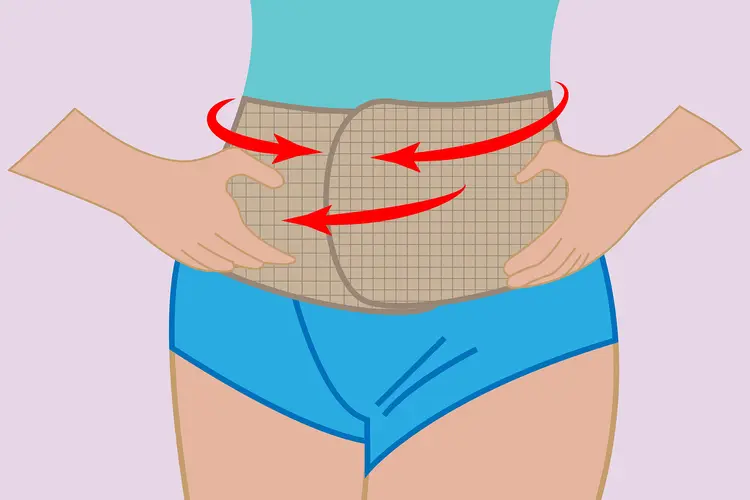
Some heavy-duty pads can be quite stiff and bulky. After surgery, you want a maternity pad that is flexible and follows the contours of your body. A soft, "cotton-feel" top layer is essential because it prevents the pad from feeling scratchy or abrasive if it accidentally brushes against the lower part of your abdomen. Softness equals comfort during the delicate postpartum recovery phase.
Maintaining hygiene to prevent infection
When you are recovering from surgery, your immune system is already working overtime. Maintaining a clean environment is vital to prevent both uterine infections and potential infections of the abdominal incision.
Frequent changes and "dry-touch" technology
Even if your flow seems lighter than expected, you should still change your maternity pad every three to four hours. Bacteria can travel quickly, and keeping the perineal area clean is a major part of overall postpartum hygiene. Look for maternity pads with moisture-wicking technology. By pulling fluid deep into the core, these pads keep the surface dry, which prevents moisture from traveling upward toward your surgical site.
Breathability for systemic healing
Breathable maternity pads are a must for C-section mothers. Natural materials like wood pulp or organic cotton allow for better air circulation. If your body becomes too hot or damp due to plastic-backed pads, it can lead to sweating around the incision area, which increases the risk of bacterial growth. A breathable postpartum pad helps regulate your body temperature and keeps your skin in peak condition for healing.
Practical tips for a smooth C-section recovery
Managing your hygiene shouldn't be a source of stress while you are recovering from major surgery. A few small adjustments can make the process much easier.
Set up a "no-bend" station: Keep your maternity pads, peri bottle, and clean underwear on a counter or shelf that is at waist height. Avoiding bending over to reach into low cupboards will protect your incision.
Use a peri bottle for gentle cleaning: Even though you didn't have a vaginal delivery, using a peri bottle with warm water to clean yourself is much gentler than wiping, which can pull on abdominal muscles.
Prioritize fragrance-free products: Scented pads contain chemicals that can cause skin irritation. When your body is already sensitive from surgery, fragrance-free maternity pads are the safest choice to avoid allergic reactions.
Final thoughts on C-section hygiene
A C-section is a major procedure, and your body deserves the best possible care during the weeks that follow. By using high-quality maternity pads and prioritizing breathability and incision protection, you can ensure your recovery is as comfortable as possible.
Don't underestimate the importance of your postpartum hygiene routine. Even though the "wound" most people see is on your abdomen, the internal healing of your uterus is just as important. Stay dry, change your pads regularly, and choose soft, supportive products that allow you to focus on your new baby and your own strength. Your comfort is a priority, and the right maternity pad is a simple but effective tool to help you get back on your feet.